INCOMPAS CEO Chip Pickering Testifies at Energy & Commerce Committee Hearing on the 1996 Telecommunications Act
INCOMPAS CEO Chip Pickering testified at the U.S. House of Representatives Energy and Commerce Subcommittee on Communications and Technology on “The Telecommunications Act of 1996: 30 Years Later“. In his testimony, Pickering drew on his experience working on the Act as a staffer, overseeing its implementation as a Member of Congress, and now leading INCOMPAS, to outline the principles that must guide America’s next chapter in AI and digital infrastructure.
Pickering warned that just as the 1996 Act succeeded by removing barriers and opening markets rather than adding regulatory complexity, Congress must take the same approach today to ensure the infrastructure of a new era, from fiber to data centers to energy grids, is deployed at the speed and scale America’s competitiveness demands. To watch the full hearing, click here.
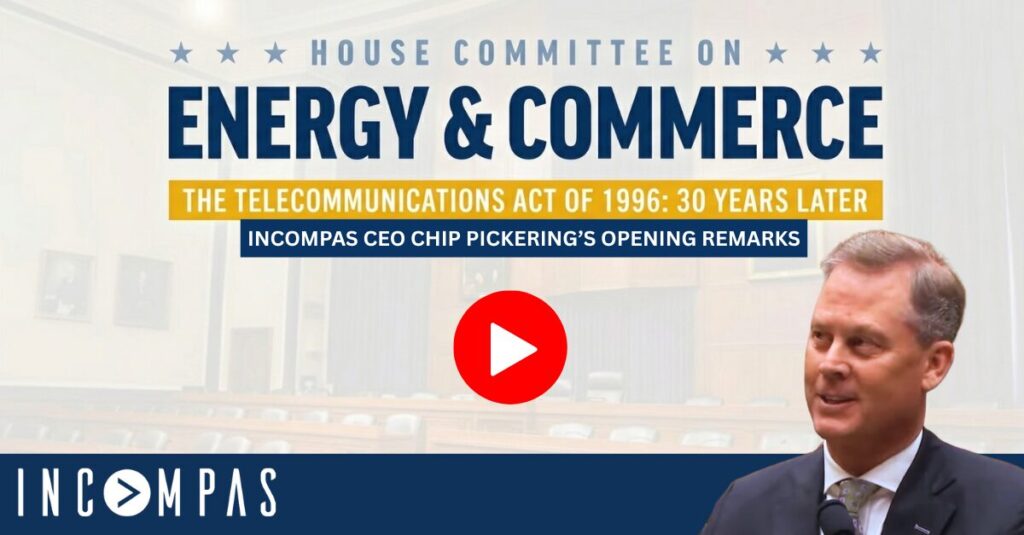
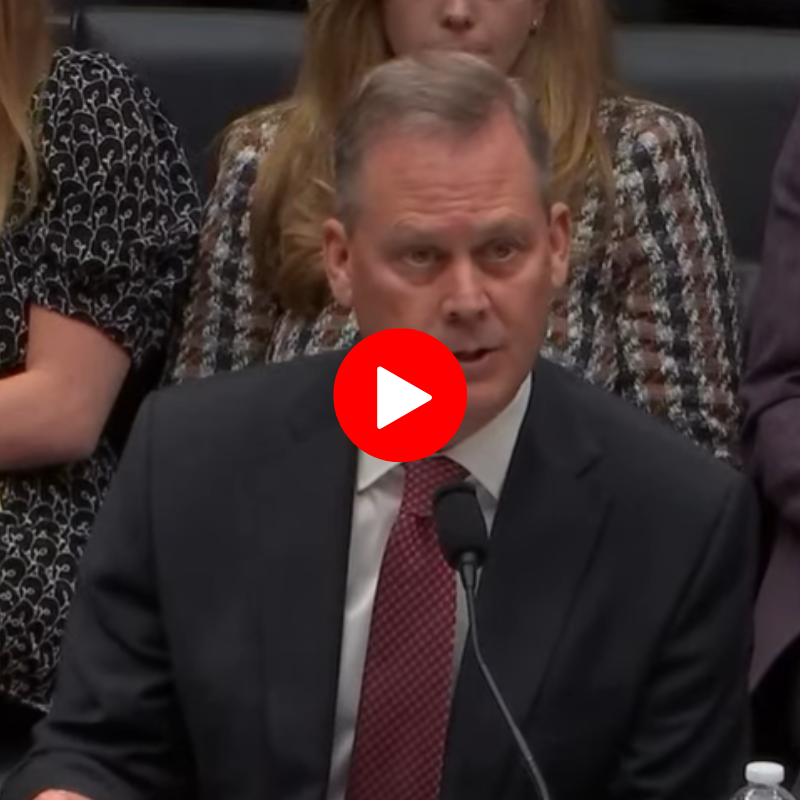
[📺 WATCH NOW]: Pickering’s opening remarks in the Communications and Technology Subcommittee on “The Telecommunications Act of 1996: 30 Years Later”.
Successes of the 1996 Telecommunications Act
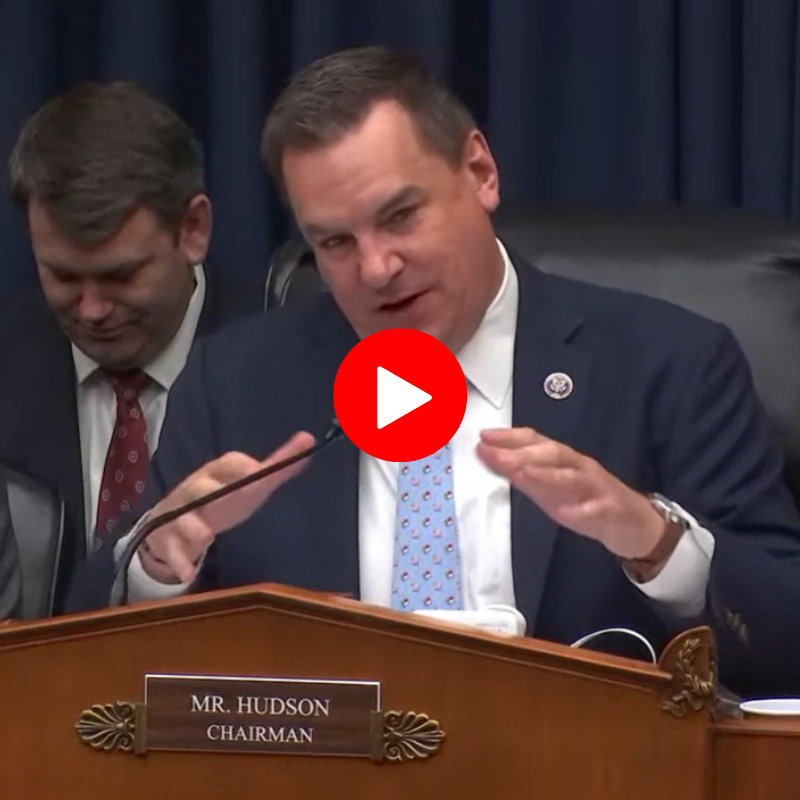
In response to Chairman Hudson’s question about the top success and failure of the Act, Pickering traces the decades-long bipartisan commitment to competition policy, from the AT&T divestiture through the 1992 Cable Act, the 1993 spectrum auctions and ultimately the 1996 Act itself. He emphasizes that removing all barriers to entry across cable, telephone, wireless and satellite networks was the Act’s defining achievement.
Fiber Is Foundational to Universal Connectivity
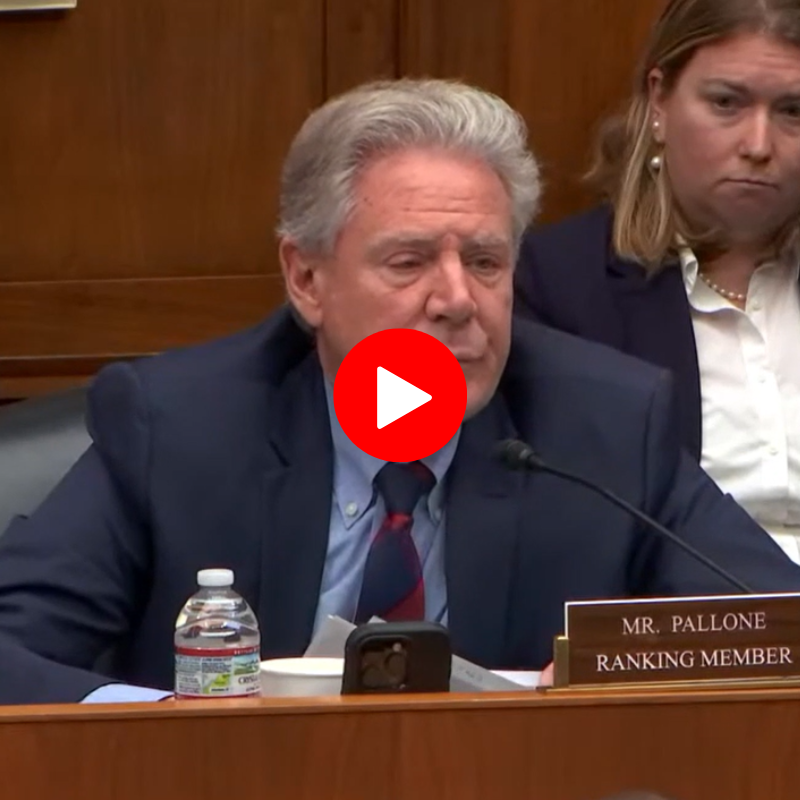
Responding to a question from Ranking Member Pallone, Pickering explains why fiber remains the foundation of every network architecture, including wireless, fixed wireless and satellite systems. He connects fiber deployment directly to AI access and the need to accelerate broadband buildout through permitting reform and BEAD implementation.
America Cannot Win the AI Race Without Permitting Reform for Both Broadband and Energy
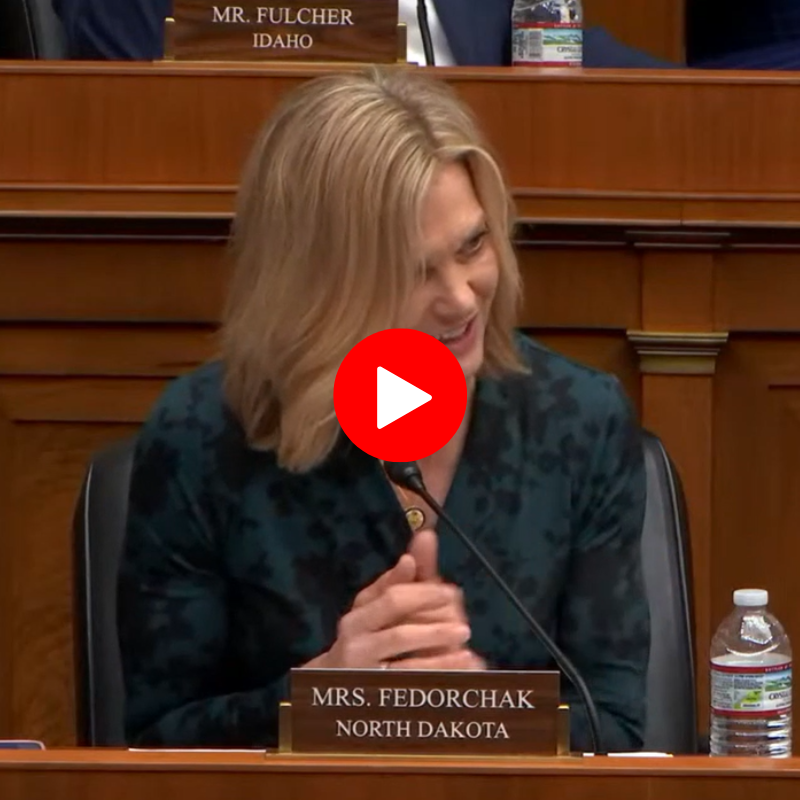
Pickering and Rep. Fedorchak make the case that winning the AI race requires comprehensive permitting reform across both the broadband networks and energy infrastructure that power data centers. He warns that businesses, families and homes will not have access to AI’s transformational potential without universal broadband deployment and affordable, reliable energy, and that bureaucratic permitting delays threaten both.
A National AI Framework
Pickering calls on Congress to develop a national AI framework modeled on the principles of the 1996 Act, including promoting competition at every layer of the AI stack, streamlining permitting for data centers and energy infrastructure, and establishing a national standard for AI model deployment that preserves states’ roles in consumer protection and civil rights enforcement.
Universal Service Fund: Don’t Tax the Innovation Economy
When asked about the future of the Universal Service Fund, Pickering cautions Congress against taxing the innovation economy to fund USF reforms, warning that fees placed on emerging technology sectors could be replicated by international competitors and disadvantage the United States.
The RAIL Act and Closing the Digital Divide
Pickering commends Reps. Joyce (R-PA) and Landsman (D-OH) on the bipartisan Broadband and Telecommunications RAIL Act as a practical example of removing barriers to competition, allowing fiber providers to cross railroad rights-of-way without excessive delays or fees. He connects this directly to bridging the digital divide and building the middle mile infrastructure that connects communities to AI-enabled data centers.
Subsea Cables and National Security
Responding to Rep. Carter’s questions about the Undersea Cable Protection Act of 2025, Pickering explains why subsea cables are critical arteries for global commerce, national security and AI competitiveness. He describes how growing AI demand will exponentially increase traffic on undersea infrastructure and compares new cable landing sites to historic port cities that anchor economic development.